Peptides vs. Exosomes: Moving Beyond Single-Pathway Solutions
Peptides offer precision, but complex biology often requires more than single-pathway activation. Here is why exosomes are emerging as a more systems-oriented research tool.
Perspectives on stem cell biology, exosome science, GMP manufacturing, and regenerative medicine from the RMLS team.

Peptides offer precision, but complex biology often requires more than single-pathway activation. Here is why exosomes are emerging as a more systems-oriented research tool.

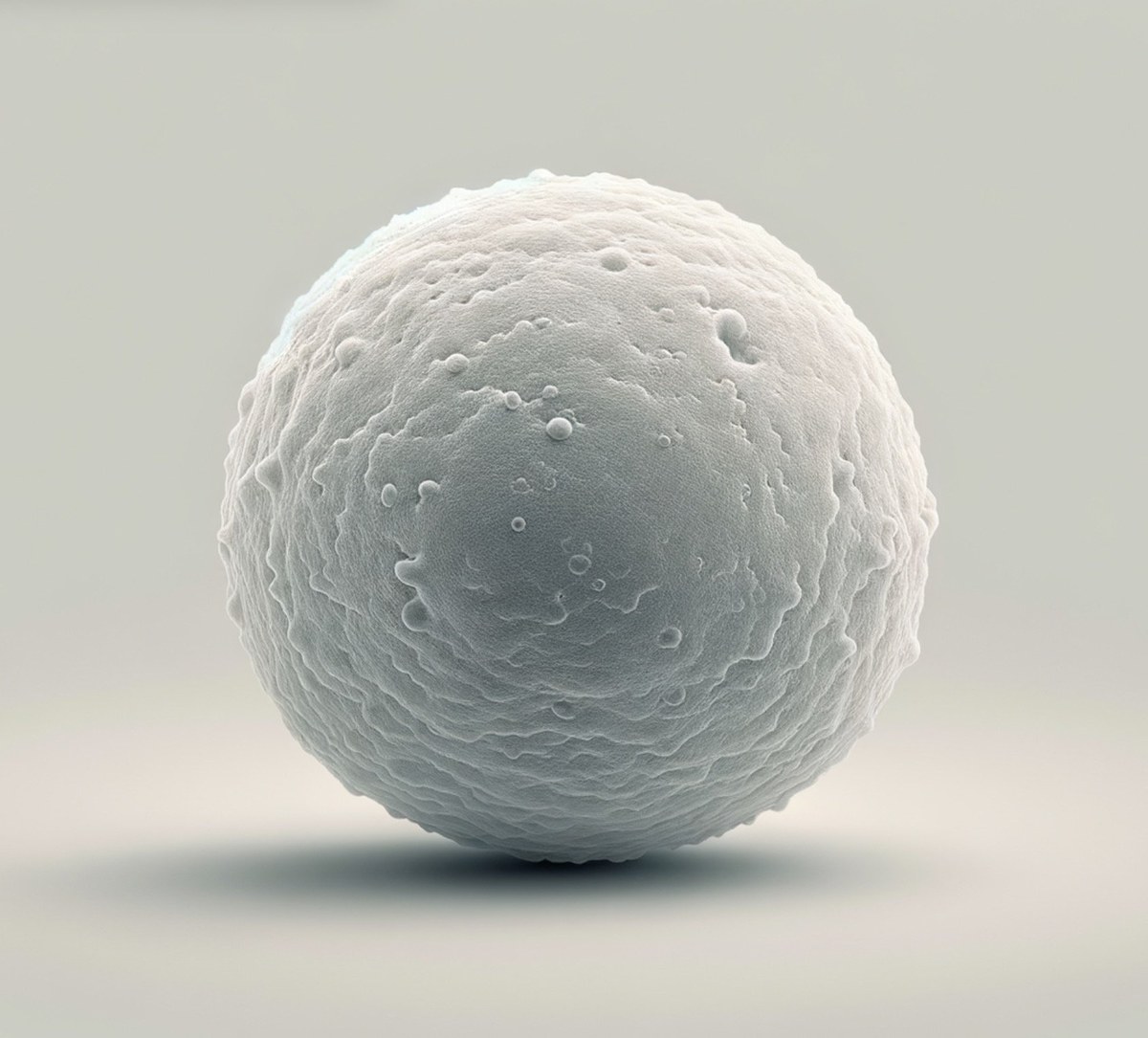
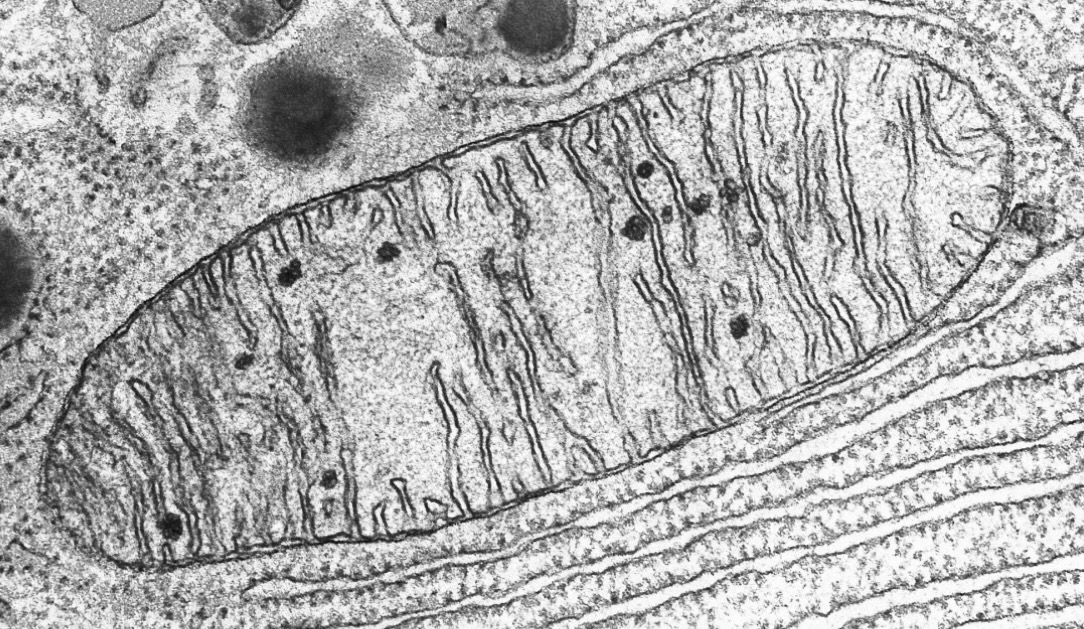
NAD⁺ supports mitochondrial metabolism, but exosomes may offer a broader systems-level approach to mitochondrial repair, signaling, and long-term cellular adaptation.

Traditional 2D flask culture has defined cell biology for decades. Here’s why 3D suspension systems produce cells with superior biological relevance and consistent performance.

The distinction between stem cells and the exosomes they produce is fundamental to understanding modern regenerative medicine — and to choosing the right product for your application.

Not all mesenchymal stem cells are created equal. The tissue source matters deeply — and umbilical cord-derived MSCs are emerging as the leading choice for regenerative medicine applications.

Multilineage-Differentiating Stress-Enduring cells represent a naturally occurring pluripotent population with unique properties that may redefine safe, scalable regenerative therapy.
Reach the RMLS team for research inquiries, technical questions, or product availability.