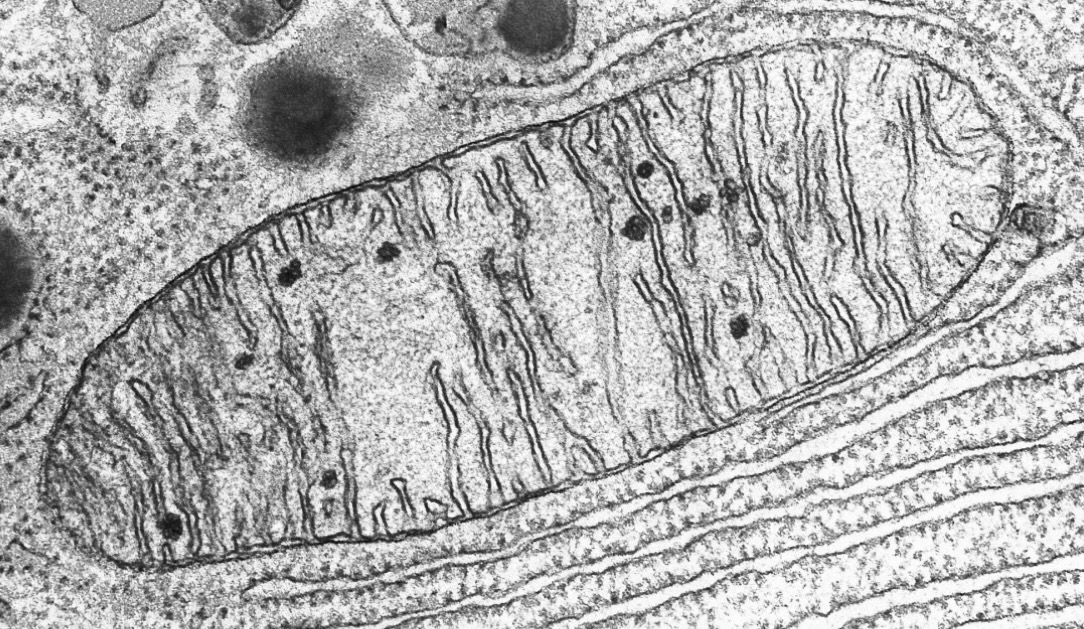
Mitochondria sit at the center of cellular performance—governing energy production, apoptosis, redox balance, and even inflammation. As interest in optimizing mitochondrial function grows, two approaches have gained traction: NAD⁺ supplementation and exosome-based therapies. While both aim to enhance cellular energetics, their mechanisms—and potential impact—differ significantly.
| Feature | NAD+ Therapy | Exosome Therapy |
|---|---|---|
| Mechanism | Biochemical cofactor | Intercellular signaling system |
| Scope | Single pathway support | Multi-pathway regulation |
| Mitochondrial Biogenesis | Indirect | Direct and robust |
| Damage Repair | Minimal | Active repair & turnover |
| Duration | Short-lived | Potentially longer-lasting effects |
| Systemic Effects | Limited | Broad (immune, metabolic, regenerative) |
This journal entry breaks down how exosomes influence mitochondria and why they may represent a more comprehensive strategy than NAD⁺ therapy alone.
The Role of Mitochondria in Health and Disease
Mitochondria are more than “powerhouses.” They regulate:
- ATP production (via oxidative phosphorylation)
- Reactive oxygen species (ROS) signaling
- Cellular stress responses
- Apoptosis and survival pathways
Dysfunction in mitochondria is linked to aging, neurodegeneration, metabolic disease, and impaired tissue repair. So the question becomes: how do we effectively restore mitochondrial function?
NAD⁺ Therapy: A Substrate-Based Approach
NAD⁺ (nicotinamide adenine dinucleotide) is a critical coenzyme involved in redox reactions and mitochondrial metabolism. It fuels:
- The electron transport chain
- Sirtuin activation (linked to longevity pathways)
- DNA repair mechanisms
Benefits of NAD⁺ therapy:
- Enhances ATP production efficiency
- Supports mitochondrial biogenesis (indirectly via SIRT1/PGC-1α pathways)
- May reduce fatigue and improve metabolic function
Limitations:
- Acts primarily as a fuel or cofactor, not a repair signal
- Requires functional mitochondrial machinery to be effective
- Effects can be transient—dependent on continued supplementation
- Limited influence on mitochondrial structure, damage repair, or intercellular signaling
In simple terms, NAD⁺ helps mitochondria run better, but does not fundamentally rebuild or reprogram them.
Exosomes: A Systems-Level Signaling Approach
Exosomes are nano-sized extracellular vesicles released by cells—particularly stem cells—that carry:
- microRNAs (miRNAs)
- mRNA
- proteins
- lipids
- mitochondrial regulatory signals
They function as biological “messengers,” enabling cell-to-cell communication and coordinated tissue responses.
How Exosomes Influence Mitochondria
Exosomes impact mitochondria through multiple high-level mechanisms:
1. Mitochondrial Biogenesis Activation
Exosomal cargo, especially miRNAs, can upregulate pathways like:
- PGC-1α
- NRF1/NRF2
- TFAM
This leads to the creation of new mitochondria, not just improved function of existing ones.
2. Mitophagy and Quality Control
Exosomes help regulate:
- Damaged mitochondria removal (mitophagy)
- Cellular cleanup processes
This improves overall mitochondrial population quality—something NAD⁺ does not directly address.
3. Reduction of Oxidative Stress
Exosomes can:
- Deliver antioxidant enzymes
- Downregulate pro-inflammatory cytokines
- Modulate ROS production
This creates a more favorable environment for mitochondrial recovery.
4. Direct Mitochondrial Signaling and Repair
Emerging evidence suggests exosomes may:
- Transfer mitochondrial components or signals
- Restore membrane potential
- Improve electron transport chain efficiency
This is closer to repair and regeneration than supplementation.
5. Metabolic Reprogramming
Exosomes influence how cells use energy:
- Shift from glycolysis to oxidative phosphorylation
- Improve metabolic flexibility
- Enhance tissue-specific energy utilization
Why Exosomes May Be “Better” (or More Complete)
It’s not that NAD⁺ is ineffective—it’s just incomplete.
Exosomes operate at a higher level of biological organization. Instead of supplying a missing ingredient, they:
- Reprogram cellular behavior
- Coordinate repair across tissues
- Address root causes of mitochondrial dysfunction
Think of it this way:
- NAD⁺ = adding fuel to an engine
- Exosomes = repairing, tuning, and upgrading the engine itself
The Future: Combination Strategies?
One of the most promising directions is combining both approaches:
- NAD⁺ to support immediate metabolic demands
- Exosomes to drive long-term repair and adaptation
This layered strategy could optimize both short-term performance and long-term cellular resilience.
Final Thoughts
Mitochondrial health is not just about energy—it’s about cellular intelligence, adaptability, and survival. While NAD⁺ therapy enhances metabolic function, exosomes introduce a regenerative dimension that targets the underlying causes of dysfunction.
RMLS ExoSignal is provided for research use only. For research inquiries, product availability, or technical questions, contact RMLS Labs.
Interested in RMLS biologics for research use only? Contact info@rmlslabs.com to discuss product availability, technical questions, or your research goals.