MUSE Cells
Naturally occurring multilineage-differentiating stress-enduring cells with broad regenerative potential and a safety profile designed to bridge potency and practicality.
RMLS MuseCore
MUSE cells are a rare stem cell population naturally present within mesenchymal tissues. They are capable of differentiating into all three germ layers without genetic manipulation and are characterized by innate stress resistance, injury-homing behavior, and low immunogenicity. RMLS positions MuseCore as a platform for next-generation regenerative research where both potency and safety matter.
Suitable for: Next-Gen Therapeutics · Regenerative Medicine · Safety Research
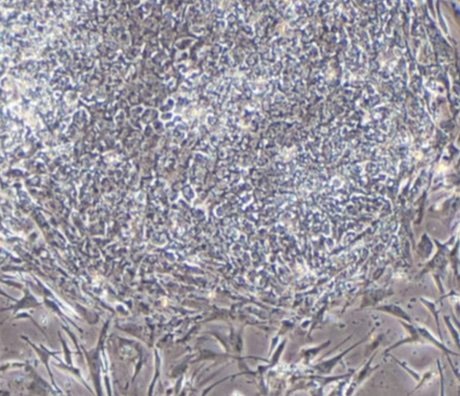
| Attribute | Summary |
|---|---|
| Cell class | Multilineage-differentiating stress-enduring cells |
| Differentiation profile | All three germ layers |
| Manipulation | No genetic manipulation described |
| Typical use | Regenerative medicine and safety-focused research |
Designed for rigorous research programs
Natural pluripotent-like capacity
MUSE cells can differentiate broadly without induced genetic reprogramming.
Safety-forward positioning
They are described by RMLS as non-tumorigenic and clinically stable.
Injury homing
MUSE cells are associated with migration toward damaged tissue environments.
Advanced research fit
Useful for programs exploring next-generation regenerative strategies.
Questions teams ask before they inquire
MUSE cells are a rare subset associated with broad differentiation potential, stress endurance, and a strong safety profile.
RMLS describes these cells as capable of broad differentiation without genetic manipulation.
They combine regenerative potential with a more safety-oriented profile than many other highly potent stem cell approaches.
Talk with RMLS about program fit
Share your application, target use case, and program stage to determine whether this product is the right fit for your workflow.
Looking for a stronger match?
Visit the full products catalog or speak with RMLS about custom programs, technical questions, and application fit.